Root Canal Treatment in Mustang, OK

Relieve tooth pain and keep your natural tooth. Root canal treatment removes infection from inside the tooth so it can heal.

Reviewed by Dr. Jon Barnes, DDS · Updated October 2026

Toothache relief from a team Mustang trusts — 700+ Google reviews.
Most patients find a root canal feels much like getting a filling, and it ends the toothache.

What a root canal actually does

Inside every tooth is soft tissue called the pulp, made up of nerves and blood vessels. A deep cavity, a crack or an injury can let bacteria reach the pulp, causing inflammation or infection. Once that happens, the tissue can’t heal on its own, and the pain often gets worse.

Root canal treatment removes the damaged pulp, cleans and disinfects the canals inside the root, and seals them. The outside of the tooth stays in place, so you keep your natural tooth instead of losing it. The area is fully numbed before treatment begins.

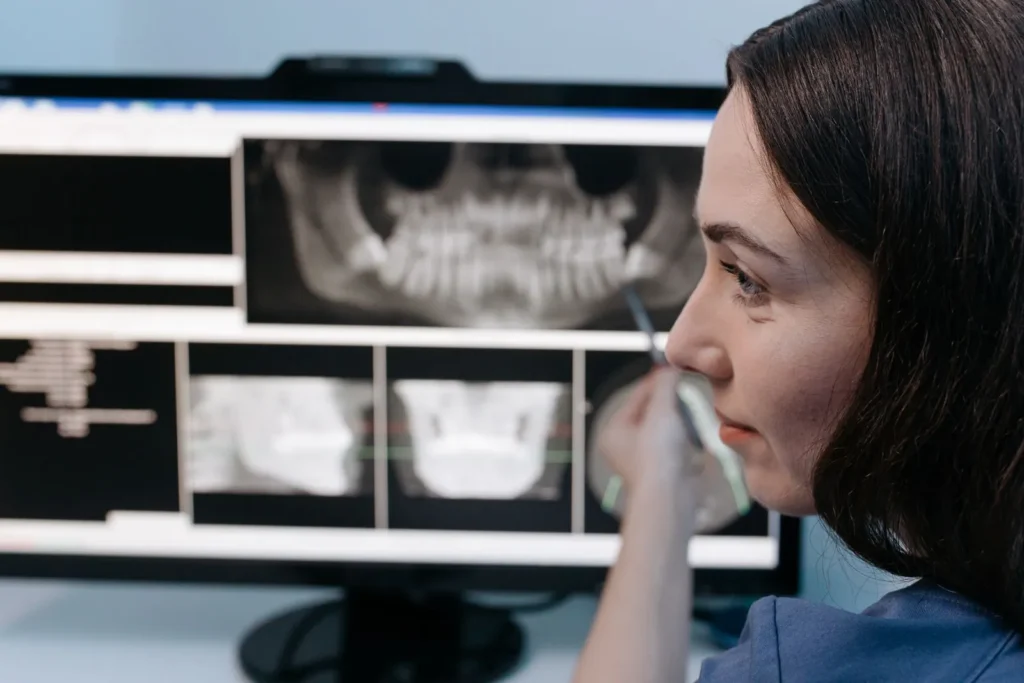
A dentist reviewing a dental X-ray

Signs you might need a root canal

Some infected teeth cause no pain at all and show up only on an X-ray, which is one more reason regular checkups matter. If you have facial swelling, call us right away.

What to expect

1. Diagnosis

Dr. Barnes examines the tooth and takes digital X-rays to see the roots and surrounding bone.

2. Numbing and isolation

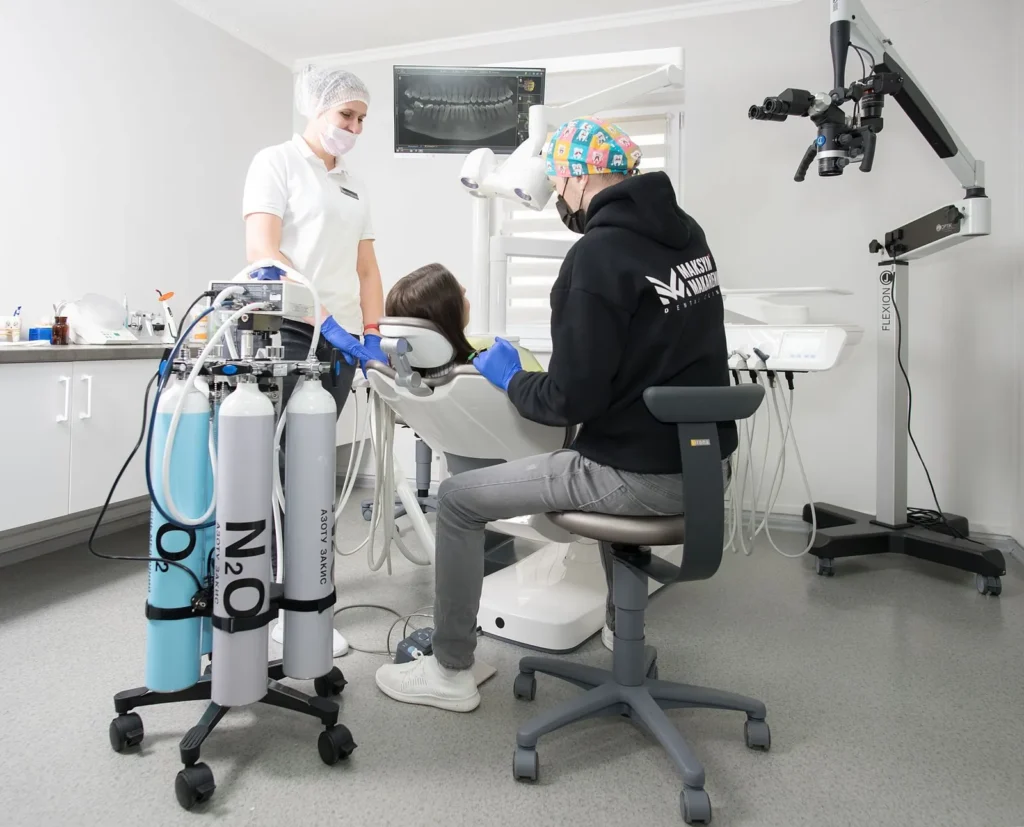
The area is numbed, and a small rubber shield keeps the tooth clean and dry. Laughing gas (nitrous oxide) is available if you're anxious.

3. Cleaning the canals

The infected pulp is removed and the canals are shaped and disinfected.

4. Sealing

The canals are flushed with an antimicrobial liquid, then medicated fillings seal the tooth.

5. Protecting the tooth

We usually complete the process with a crown on top of the tooth to help prevent fractures.

Most root canals are done right here in our office, in one or two visits depending on the tooth’s condition.

Your root canal visit: what the day looks like

  1. Check in and talk. Tell us how the tooth feels. If you’re nervous, ask about laughing gas (nitrous oxide).
  2. X-rays and exam. Dr. Barnes confirms which tooth is the cause and looks at the roots.
  3. Numbing. The area is fully numbed. Most patients feel pressure rather than pain.
  4. Treatment. The infected pulp is removed, and the canals are cleaned, disinfected and sealed.
  5. Temporary or final filling. The tooth is closed so it’s protected until it’s fully restored.
  6. Crown visit, if needed. Back teeth and teeth with large fillings usually get a crown to help prevent cracks.

Root canal aftercare and recovery

  • Wait until the numbness wears off before eating, so you don’t bite your cheek or tongue.
  • Some tenderness for a few days is normal. Over-the-counter pain relievers usually help; take them as directed on the label or as we recommend.
  • Avoid chewing hard or sticky foods on the tooth until it’s permanently restored.
  • Keep brushing and flossing normally, gently around the treated tooth.
  • Come back for your crown or final filling. A tooth left with only a temporary filling is more likely to break.
  • Call us at 405-353-1333 if you have swelling, pain that gets worse, or your bite feels high. After hours, call our office at 405-353-1333 for instructions.

Why save the tooth?

Relief from pain

caused by infection

Keep your natural tooth,

which usually feels and works better than a replacement

Avoid shifting teeth

and bite changes that can follow an extraction

Often less costly

over time than extracting and replacing a tooth with an implant or bridge

Root canal or extraction: comparing your options

  • Root canal treatment: removes the infection and keeps your natural tooth. Most are done in our office in one or two visits, and back teeth usually need a crown afterward.
  • Extraction alone: removes the tooth. It can leave a gap that lets nearby teeth shift and changes your bite. See tooth extractions.
  • Extraction plus a replacement: a dental implant or bridge fills the gap, but it usually means more visits and is often more costly over time than saving the tooth.

When a tooth can be saved, keeping it is usually preferable. When it can’t, Dr. Barnes will explain why and walk you through the replacement options.

Root canal cost, insurance & financing

Cost depends on which tooth is treated (front teeth have fewer canals than molars) and whether a crown is needed afterward. You’ll receive an estimate before treatment. Many PPO plans cover a portion of root canal treatment, and we’ll file your claim. We accept cash, credit cards, CareCredit, Cherry payment plans and some in-house finance options. See Dental Insurance & Financing.

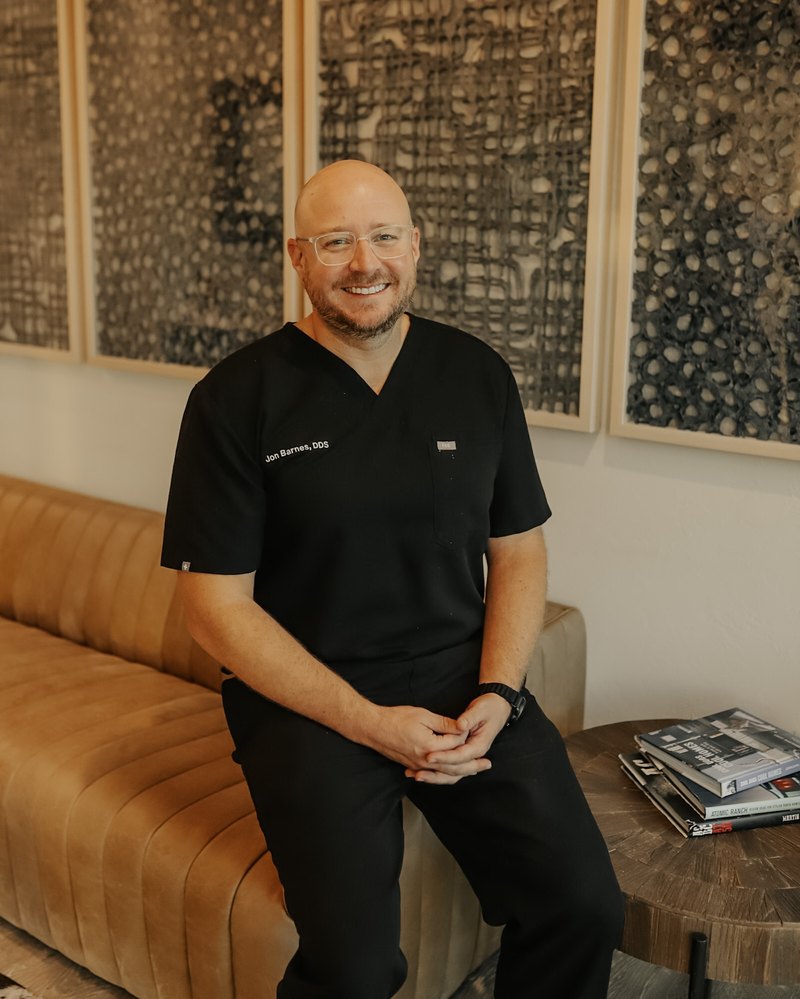
Dr. Jon Barnes, DDS, family and cosmetic dentist in Mustang, OK

Why patients choose Buffalo Creek Dental

Treatment at Buffalo Creek Dental is provided by Jon Barnes, DDS, general dentist. Individual results vary; Dr. Barnes will recommend treatment only after an exam.

Root canal care for Mustang, Yukon, Tuttle and OKC

Buffalo Creek Dental is at 201 S. Sara Rd., #140 in Mustang, next to the SSM Health complex. We see root canal patients from Mustang, Yukon, Tuttle and southwest Oklahoma City. Toothaches are worked into our schedule during office hours, so call as early in the day as you can. See emergency dental care.

New to our office? Start with the $99 New Patient Special: $99 covers exam, X-rays, and prophy (regular cleaning) when there is no periodontal disease. If periodontal disease is present, it’s $69 for the exam and X-rays, and the patient pays separately for the necessary cleaning. See Specials for current offers, or read what to expect as a new patient.

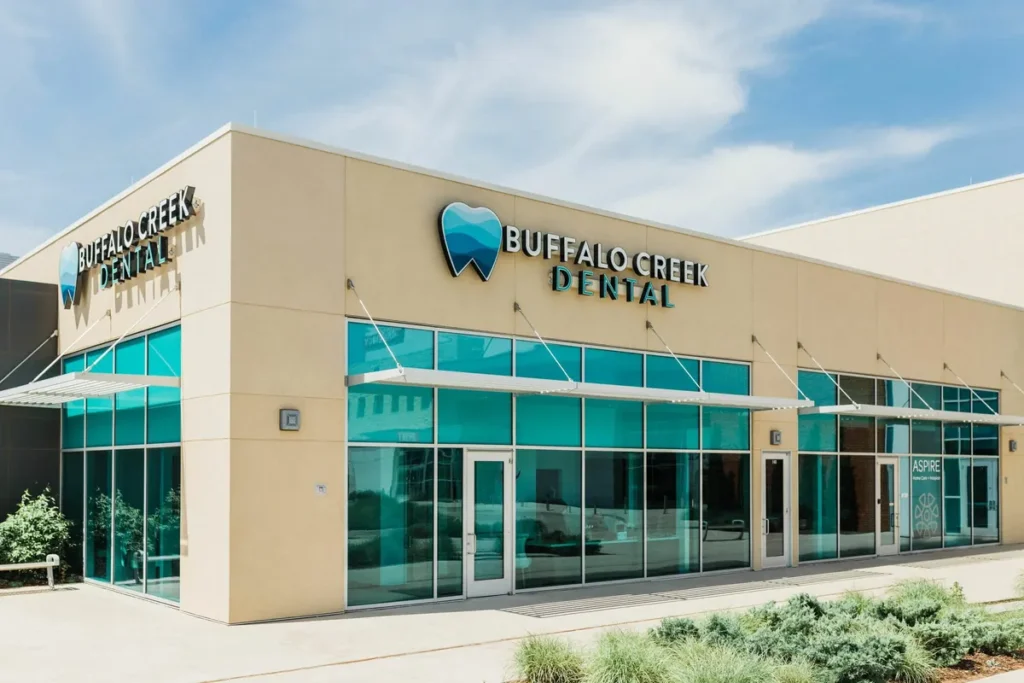
Exterior of the Buffalo Creek Dental office on S. Sara Rd. in Mustang, OK

Root canal FAQs

The tooth is fully numbed, so most patients feel pressure rather than pain. The treatment is meant to relieve the pain an infection causes. Some tenderness for a few days afterward is normal.

Most people return to normal activities the same or next day. Avoid chewing hard foods on the tooth until it’s permanently restored.

Not always, but back teeth and teeth with large fillings are more likely to crack after a root canal, so a crown is often recommended.

An infected tooth won’t heal by itself. The infection can spread, cause an abscess and lead to losing the tooth.

Sometimes a tooth can’t be saved, and extraction makes sense. When the tooth can be saved, keeping it is usually preferable. Dr. Barnes will explain both options.

Cost depends on which tooth is treated (front teeth have fewer canals than molars) and whether a crown is needed afterward. You’ll receive an estimate before treatment. Many PPO plans cover a portion of root canal treatment, and we’ll file your claim. See payment options.

Most root canals are done right here in our office, in one or two visits depending on the tooth’s condition. Dr. Barnes will tell you what to expect for your tooth.

Usually, yes. With local numbing alone, most people drive themselves. If you plan to use laughing gas, ask us about driving when you book.

Most people return to normal activities the same or next day. Your lip and cheek may stay numb for a few hours.

Call 405-353-1333 as early in the day as you can. We work toothaches into our schedule during office hours. If you have facial swelling, call us right away. See emergency dentist.

Related services

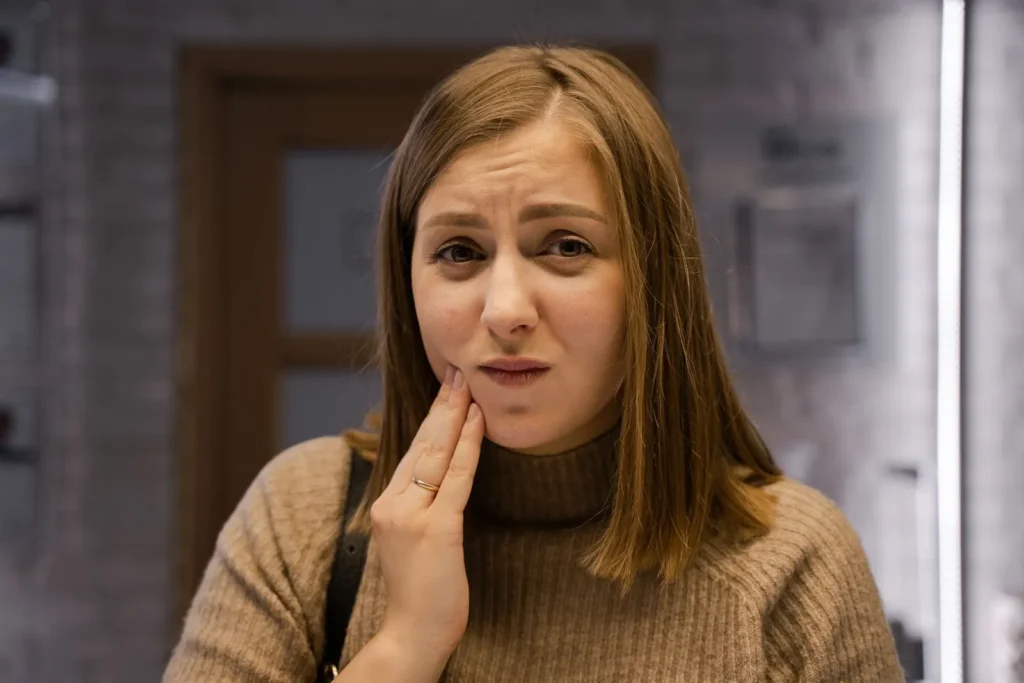
A woman holding her cheek because of a toothache

Toothaches and injuries worked into our schedule.

A model of a dental crown held in a gloved hand

Strengthen damaged teeth and replace missing ones.

A dentist examining a tooth before treatment

Careful removal when a tooth can’t be saved.

A patient receiving nitrous oxide during a dental visit

Laughing gas (nitrous oxide) for anxious patients.

Don't wait out tooth pain

Get it checked, and get comfortable again.

Toothache relief from a team Mustang trusts — 700+ Google reviews.
Most patients find a root canal feels much like getting a filling, and it ends the toothache.

Buffalo Creek Dental
201 S. Sara Rd., #140
Mustang, OK 73064
Phone: 405-353-1333

Monday–Wednesday: 8:00 am – 5:00 pm
Thursday: 7:00 am – 3:00 pm
Friday: By Appointment
Saturday–Sunday: Closed

Last updated · Dr. Jon Barnes, DDS