

Last updated · Dr. Jon Barnes, DDS
If your dentist has told you that you need a root canal in Mustang, OK, your first reaction may have been dread. Root canals have one of the worst reputations in all of dentistry — right up there with tax season and middle seats on long flights.
But here’s the good news: the reputation is decades out of date. With modern anesthesia and techniques, a root canal feels about the same as getting a filling, and it relieves the tooth pain that brought you in. So, do root canals hurt? Here’s an honest, step-by-step guide to what root canal treatment actually involves, the signs you might need one, and what recovery looks like.
What Is a Root Canal, Exactly?
Every tooth has a soft inner core called the pulp — a bundle of nerves, blood vessels, and connective tissue running through the root canals of the tooth. When the pulp becomes infected or inflamed (usually from a deep cavity, a crack, or an injury), it can’t heal on its own. A root canal treatment removes the damaged pulp, disinfects the inside of the tooth, and seals it shut. The tooth itself stays in place, and a crown is typically placed afterward to protect it.
In other words: a root canal doesn’t take your tooth away. It saves it. The American Dental Association’s root canal guide covers the basics, too.
Signs You Might Need a Root Canal
You won’t always know you need a root canal — sometimes the first sign is a routine x-ray. But these symptoms are worth getting checked promptly:
- Lingering tooth pain, especially pain that wakes you up or doesn’t respond to over-the-counter pain relievers
- Sharp sensitivity to hot or cold that lingers long after the temperature is gone
- Pain when biting or chewing, or tenderness when the tooth is touched
- Swollen or tender gums near a tooth, sometimes with a small pimple-like bump on the gum
- A tooth that has darkened compared to its neighbors, which can signal internal damage
If you’re dealing with a severe toothache or a dental injury, don’t wait it out — our emergency dentistry team sees urgent cases same-day when possible, and many root canal situations start as emergencies.
Do Root Canals Hurt?
This is the question everyone asks, and it deserves a straight answer: the procedure itself shouldn’t hurt. The area is thoroughly numbed with local anesthesia before anything begins — the same anesthesia used for fillings. Most patients tell us the experience feels like getting a filling, not the horror story they expected.
What does hurt is the infected tooth before treatment. An inflamed or infected pulp can cause intense, throbbing pain. Ironically, the root canal is the thing that stops the pain, not the thing that causes it. If you have dental anxiety, tell Dr. Barnes at your visit — a calm, unrushed approach makes a real difference.
What Happens During the Appointment?
A root canal at Buffalo Creek Dental is a straightforward, methodical procedure:
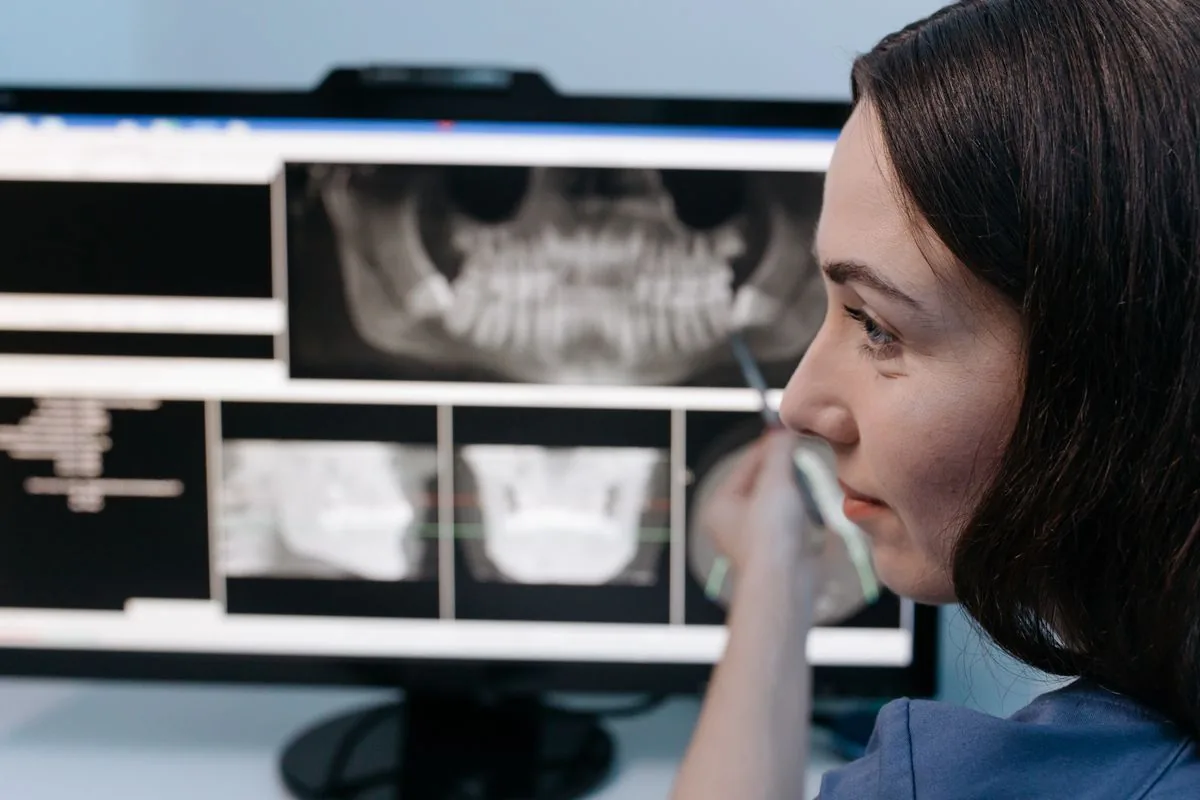
- Exam and x-rays. Dr. Barnes examines the tooth and takes x-rays to see the extent of the infection and the shape of the root canals.
- Numbing. Local anesthesia fully numbs the tooth and surrounding area. You’ll feel pressure, not pain.
- Opening the tooth. A small opening is made in the crown of the tooth to access the pulp chamber.
- Cleaning and shaping. The infected pulp is removed, and the canals are carefully cleaned, disinfected, and shaped.
- Sealing. The canals are filled with a biocompatible material and sealed to prevent reinfection.
- Temporary filling. A temporary filling closes the opening until your crown is placed.
Most root canals are completed in one or two visits. You can go about your normal day afterward — many patients head back to work the same afternoon.
What to Expect After a Root Canal
Once the anesthesia wears off, mild soreness or tenderness around the tooth is normal for a few days. Here’s how to keep recovery smooth:
- Take over-the-counter pain relievers as directed — most post-treatment soreness is manageable with ibuprofen or acetaminophen.
- Chew on the other side until the tooth is fully restored with a crown. A tooth without its final crown is more vulnerable to cracking.
- Get the crown placed promptly. After a root canal, the tooth needs a dental crown to protect it and restore full chewing strength. Delaying the crown raises the risk of the tooth fracturing, which can turn a saved tooth into a lost one.
- Keep your follow-up visits. We’ll check that the tooth is healing well and place the crown on schedule.
Why Save the Tooth Instead of Pulling It?
When a tooth is badly damaged, extraction can seem like the simpler option. But keeping your natural tooth has real advantages:
- You keep your bite. A missing tooth changes how your teeth come together and shifts pressure onto neighboring teeth.
- You avoid bone loss. The tooth root stimulates the jawbone; without it, the bone in that area gradually shrinks.
- No replacement needed. An extraction often means a dental implant or other replacement down the road — more visits and more cost than saving the tooth now.
That’s not to say extraction is never the right call — when a tooth can’t be saved, Dr. Barnes will tell you honestly. But when a root canal can preserve a tooth that will serve you for years, it’s usually the better investment in your smile.
Frequently Asked Questions
How long does a root canal take?
Most root canals take about 60 to 90 minutes and are completed in a single visit, though complex cases may need a second appointment. Plan for the crown appointment separately — usually a couple of weeks later.
Will I need time off work?
Usually not beyond the appointment itself. Most people return to normal activities the same day. If you prefer to rest, one day is typically plenty.
How long does a root canal last?
A properly treated and crowned tooth can last many years — often a lifetime — with good oral hygiene and regular dental checkups. Like any tooth, it’s not indestructible, so keep up your cleanings and don’t chew ice.
What if I wait and do nothing?
The infection won’t heal on its own. It will spread — deeper into the root, into the bone, and potentially into surrounding tissues. Waiting turns a routine root canal into a more urgent, more complicated situation. If you have symptoms, get it looked at sooner rather than later.
Is a root canal better than an implant?
When a tooth can be saved, keeping it is generally preferred — it’s your natural tooth, and treatment is typically quicker. When a tooth can’t be saved, an implant is an excellent replacement option. Dr. Barnes will evaluate your specific tooth and give you a clear recommendation either way.
Tooth Pain in Mustang? Get It Looked At Sooner, Not Later
Tooth pain is your tooth asking for help — and a root canal is often how we answer. If you’re dealing with a lingering toothache, sensitivity that won’t quit, or a tooth that just feels “off,” book online or call Buffalo Creek Dental at (405) 353-1333 to schedule an exam with Dr. Jon Barnes. We’ll figure out what’s going on and lay out your options clearly — no pressure, no scare tactics.
You can also reach us through our contact page. Our office at 201 S. Sara Rd., #140, Mustang, OK 73064 serves patients from Mustang, Yukon, Tuttle, and across the greater Oklahoma City area. Hours: Monday–Wednesday 8 a.m.–5 p.m., Thursday 7 a.m.–3 p.m., and Friday 8 a.m.–noon.