
Last updated · Dr. Jon Barnes, DDS
Is flossing important? It’s one of the most common questions we hear, and the short answer is yes. Brushing cleans the front, back and chewing surfaces of your teeth, but it can’t reach the tight spaces between them. Those in-between spaces are where many cavities and most gum disease begin. Here’s why flossing matters, how to do it well and which tools work best, from Buffalo Creek Dental in Mustang, OK.
Why Is Flossing Important?
Plaque is a sticky film of bacteria that builds up on teeth every day. Between the teeth and just under the gumline, a toothbrush simply can’t remove it. Flossing, or using another interdental cleaner, removes that plaque and trapped food before it causes damage.
It Helps Prevent Cavities Between Teeth
Plaque left between teeth produces acids that wear away enamel. Within a day or two, plaque that isn’t removed begins to harden into tartar, which only a professional cleaning can remove. Cavities between teeth often can’t be seen in the mirror and are usually found on dental X-rays.
It Helps Prevent Gum Disease
Plaque along and under the gumline irritates the gums, causing redness, swelling and bleeding. This early stage is called gingivitis, and it’s reversible with good daily cleaning. Left alone, it can progress to periodontitis, which damages the bone that holds teeth in place and can lead to tooth loss. Gum disease is common: nearly half of American adults age 30 and older show signs of it.
It Freshens Breath
Food and bacteria trapped between teeth are a major cause of bad breath. Flossing removes them.
How Important Is Flossing Compared With Brushing?
Both matter, and they do different jobs. You may have seen headlines saying the research on flossing is weak. Long-term flossing studies are hard to run, but the American Dental Association still recommends cleaning between your teeth once a day, and dentists see the difference in people’s gums every day. Read the ADA’s guidance on flossing and cleaning between teeth.

How to Floss the Right Way
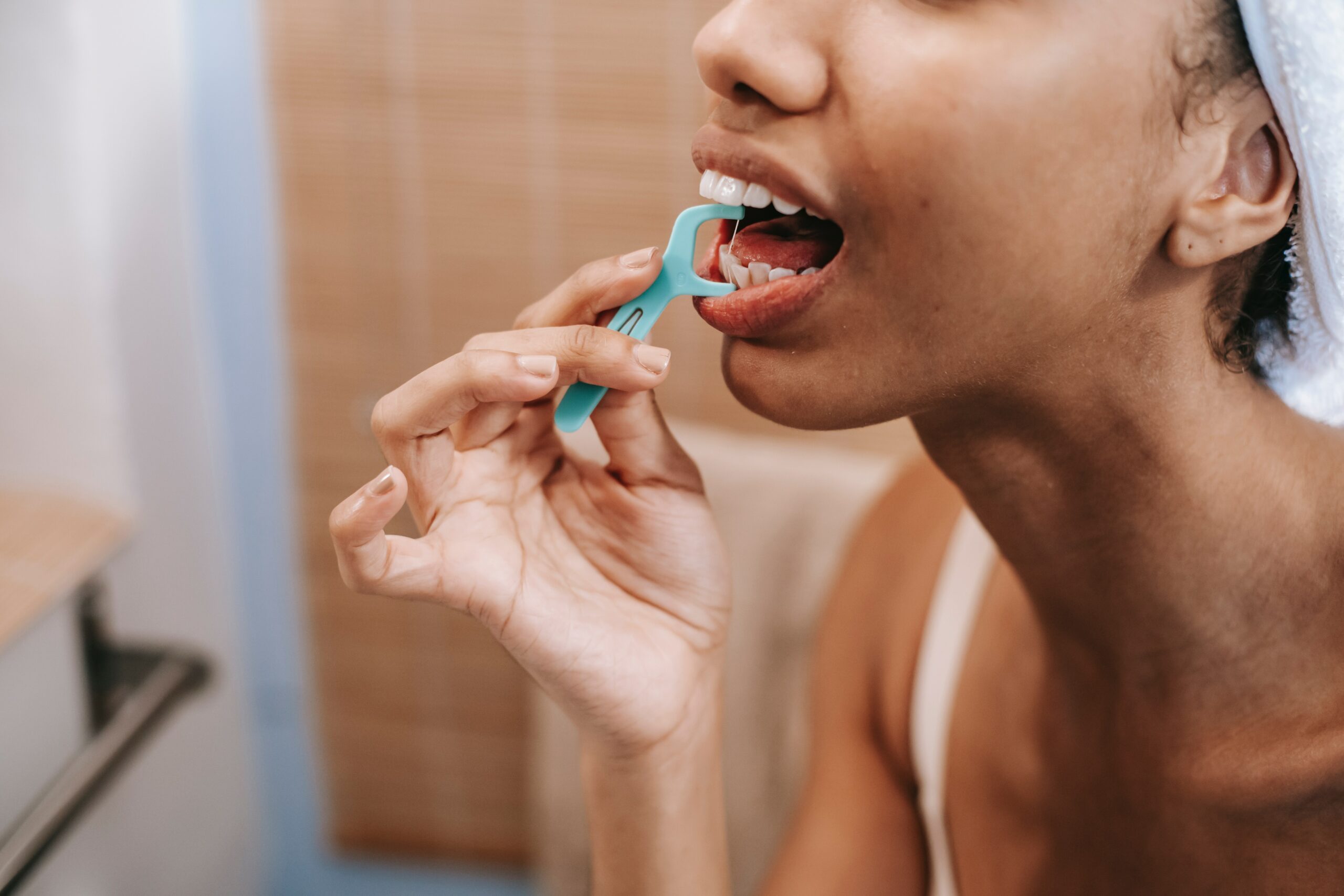
- Break off about 18 inches of floss and wind most of it around your middle fingers, leaving a few inches to work with.
- Hold it tightly between your thumbs and index fingers and slide it gently between two teeth.
- Curve the floss into a C-shape against one tooth and gently slide it just under the gumline.
- Move it up and down against the side of the tooth, then repeat on the neighboring tooth.
- Use a clean section of floss for each space, and don’t forget the backs of your last molars.
Be gentle. Snapping floss down into the gums can cut them.
Floss Alternatives That Work
The best tool is the one you’ll use every day:
- Floss picks are easy to hold and handy on the go.
- Interdental brushes are tiny brushes that work well for wider spaces and around bridges.
- Water flossers are helpful for braces, implants, bridges and anyone who finds string floss difficult.
- Floss threaders help you clean under bridges and permanent retainers.
When Should You Floss?
Once a day is enough, at whatever time works best for you. Many people like flossing at night so their teeth are clean before bed. Floss before or after brushing, whichever you prefer.
Children should start having their teeth flossed as soon as two teeth touch. Kids usually need help until they have the dexterity to do it themselves. See our children’s dentistry page for more tips.
What If Your Gums Bleed When You Floss?
Some bleeding is common when you start flossing, especially if it’s been a while. It usually means the gums are inflamed from plaque, not that flossing is hurting them. Keep flossing gently every day, and the bleeding usually improves within a week or two. If it doesn’t, or if your gums are swollen, receding or tender, schedule a visit. It may be a sign of gum disease that needs professional care. Learn more about gum disease treatment in Mustang.
Frequently Asked Questions
Is it bad to floss only once in a while?
Occasional flossing is better than none, but plaque begins to harden into tartar within a day or two, so daily flossing is what keeps gums healthy.
Is a water flosser as good as string floss?
For many people, yes, especially those with braces, implants or bridges. The most important thing is cleaning between your teeth every day with a tool you’ll actually use.
Should I floss before or after brushing?
Either is fine. Some people like to floss first so the fluoride from their toothpaste can reach between the teeth.
Can flossing create gaps between my teeth?
No. Gentle flossing doesn’t create gaps. If you notice new spaces, it may be a sign of gum recession or shifting teeth, so have it checked.
How do I floss with braces or a bridge?
Floss threaders, interdental brushes and water flossers make it much easier. We can show you how at your next visit.
Keep Your Smile Healthy
Daily flossing and twice-daily brushing are the foundation, and regular checkups and cleanings remove what home care misses. For more tips, see our guide to oral hygiene at home. When you’re ready, book online or call (405) 353-1333 to schedule a cleaning with Dr. Jon Barnes and our team.
Buffalo Creek Dental is at 201 S. Sara Rd., #140, Mustang, OK 73064, serving Mustang, Yukon, Tuttle and southwest Oklahoma City. Hours: Monday–Wednesday 8 a.m.–5 p.m., Thursday 7 a.m.–3 p.m., and Friday 8 a.m.–noon.




Comments are closed.